Supporting Those Who Care: Caregiver Support at The Bridge
Oct 23, 2026

Supporting Those Who Care: Caregiver Support at The Bridge
Every young person deserves to feel safe, supported, and encouraged to build a future that reflects their own hopes and goals. For young people in foster care, having consistent relationships and a strong circle of support can make an important difference.
The Bridge’s Caregiver Support Program works alongside foster caregivers and the young people in their homes, providing practical resources, individualized support, and opportunities for growth. Together, they help create stable, nurturing environments where young people can build confidence, develop life skills, and work toward their goals.
Caring for Caregivers, Supporting Young People
Foster caregivers play an extraordinary role in the lives of young people who have experienced difficult circumstances, including family breakdown or the loss of a parent.
While caregiving can be deeply rewarding, it also comes with significant responsibilities and challenges. The line between personal life and caregiving responsibilities can be difficult to separate, making ongoing support especially important.
The Caregiver Support Program recognizes that supporting caregivers is an essential part of supporting young people.
Through a comprehensive approach, the program provides dedicated workers for both caregivers and youth, life-skills and recreational opportunities, scheduled monthly respite for caregivers, and 24/7 emergency on-call support.
The program's model also allows caregivers to focus on supporting one young person at a time, helping foster stable placements and meaningful relationships.
Building Skills for Life
Beyond providing stability today, the Caregiver Support Program helps young people prepare for greater independence and the transition into adulthood.
This might mean learning everyday skills such as cooking, budgeting, grocery shopping, or doing laundry. It can also mean working toward significant milestones like graduating from high school or earning a driver's licence.
Each young person brings their own strengths, interests, and aspirations. Staff work collaboratively with youth, caregivers, and their broader support networks to help them identify and achieve goals that are meaningful to them.
The focus is not simply on preparing young people to leave foster care at age 19, but on helping them build the confidence, connections, and practical skills they can carry into the next chapter of their lives.
Growing More Than a Garden
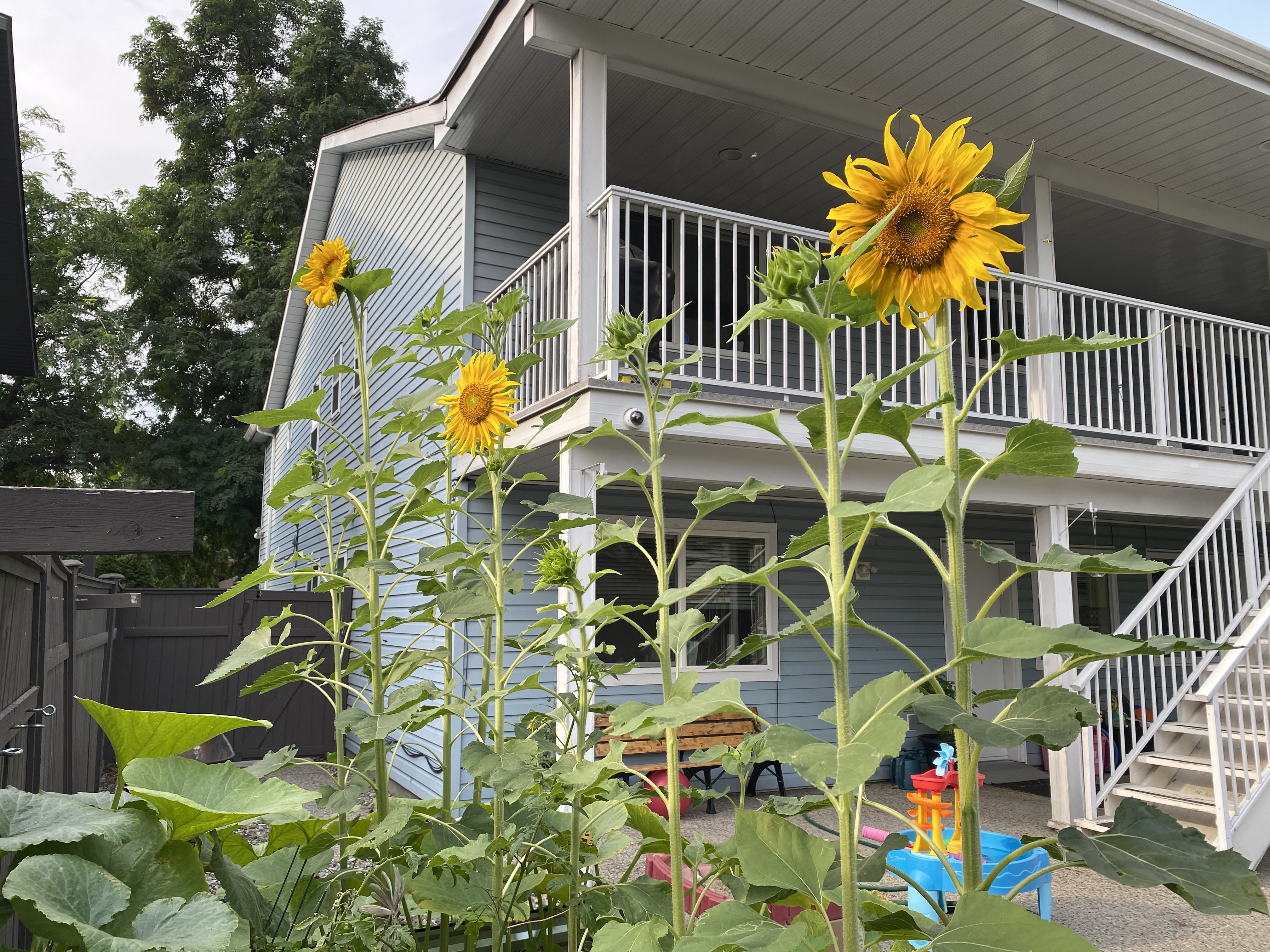
Sometimes the impact of a program can be seen in something as simple—and meaningful—as a garden.
At The Bridge's Cadder programming site, one young person began growing a garden that has flourished over the past three years. What started as a personal project has grown to include tomatoes, pumpkins, sweet peas, sunflowers, catmint, lemongrass, marigolds, roses, and more.
With support from The Bridge, the young person plans to expand the project by adding a pollinator garden in 2027.
The garden reflects something important about the program: when young people have opportunities to explore their interests, take ownership of projects, and see the results of their efforts, they can develop skills and confidence that extend well beyond the activity itself.
Recognizing the People Who Make a Difference
The Caregiver Support team hopes the community understands just how much foster caregivers give of themselves.
Providing a safe and supportive home requires patience, flexibility, compassion, and dedication. There are rewarding moments, but there are also difficult days when caregivers need encouragement and support of their own.
The team continually sees the difference that committed caregivers make in young people's lives and remains deeply appreciative of the relationships they build and the care they provide.
Looking ahead, the program is committed to continuing its individualized, responsive support for foster caregivers and young people, working collaboratively with the Ministry of Children and Family Development and other community supports.
Because when caregivers feel supported and young people have opportunities to thrive, the benefits reach beyond individual homes. Strong relationships, growing confidence, and meaningful connections help create brighter futures for young people and stronger communities for everyone.

We transform lives and build community